
 Tiếng Việt
Coffee is not only a popular beverage but also favored for its ability to increase concentration, creativity, and inspire enthusiasm at work. Recently, many people have been talking about using coffee for weight loss; however, not everyone achieves the desired weight loss results. Do you know when is the right time to drink coffee for weight loss? Does drinking coffee really help reduce belly fat? Refer to this article from Enbi Bao Bao Nail & Spa for the clearest answers!
The current trend among women is to drink coffee for weight loss

Currently, many women are interested in whether drinking coffee helps with weight loss. The most popular types of coffee include: green coffee made from unripe beans, black coffee without sugar or milk, collagen coffee combined with protein beneficial for skin and joints, or herbal coffee made from natural ingredients. Drinking coffee for weight loss should be combined with a healthy diet and appropriate physical activity. However, it is necessary to research and consult a nutritionist or doctor to ensure safety and effectiveness.
Does drinking coffee actually help with weight loss?
Coffee contains caffeine, which is believed to be effective for weight loss. However, to use coffee effectively for weight loss, you need to consider many different factors.
Coffee reduces appetite

Drinking coffee can curb appetite, helping to reduce daily calorie intake. Some studies have shown that drinking coffee before meals can reduce the amount of food consumed afterward. However, it’s best to drink coffee only 3-4.5 hours before eating to avoid a direct impact on the amount of food eaten later.
Coffee stimulates metabolism
Coffee has the potential to boost calorie and fat burning, helping you lose weight more effectively and easily. In a study with over 600 participants, experts found that drinking coffee was associated with weight loss. When participants doubled their caffeine intake, their BMI and body fat decreased by approximately 17% to 28%.
Coffee has an effect on fat cells
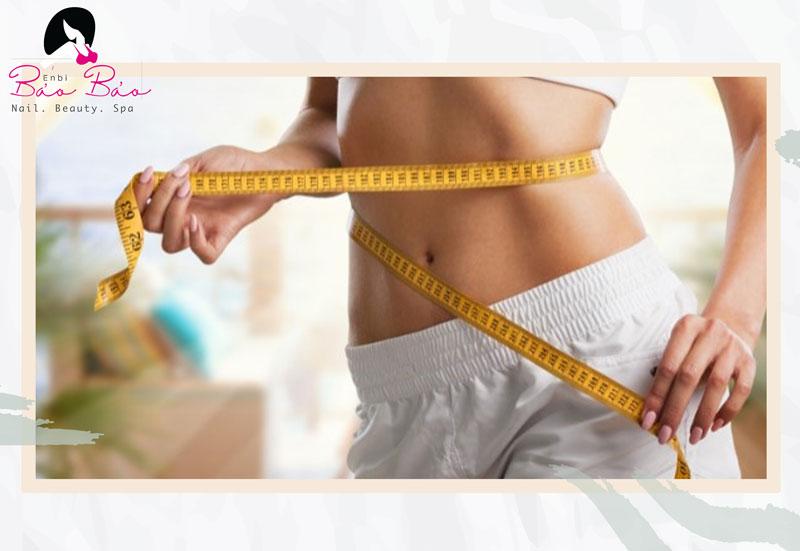
Drinking coffee to reduce belly fat directly impacts fat cells. Caffeine stimulates the nervous system to send signals directly to fat cells, promoting the breakdown of fat. This is achieved by increasing the concentration of epinephrine (adrenaline) in the blood.
Epinephrine is transported through the blood to fat tissues, signaling them to break down fat and release it into the bloodstream. However, the release of fatty acids into the blood does not necessarily mean fat loss, unless you burn more calories than you consume.
See more: How many calories are in an apple? Is eating apples good for weight loss?
The harmful effects of overusing coffee for weight loss
High levels of stimulants

Because coffee’s benefits in boosting metabolism are primarily due to its caffeine content. However, excessive caffeine consumption can cause numerous health problems, including increased blood pressure and direct cardiovascular effects.
Caffeine also acts as a diuretic, causing you to urinate more frequently. When drinking a lot of coffee for weight loss, you’ll need to urinate more often, leading to the loss of important fluids, including potassium, through urine. Excessive potassium loss can result in hypokalemia, affecting muscle control and cardiovascular health.
It’s easy to regain weight and difficult to control it
Your body is able to adapt to your usual calorie intake. Therefore, when you drastically reduce your calorie intake, your body reacts by slowing down your metabolism, reducing the number of calories you burn.
The hormonal changes that occur when calories are restricted can increase appetite. Leptin is a hormone that helps suppress appetite and signals the brain to stop eating. However, leptin levels in the body decrease significantly when you follow a low-calorie diet, leading to increased cravings.
The safety of ineffective weight loss

The long-term safety of using coffee for weight loss is not guaranteed. Drinking large amounts of caffeinated coffee can lead to excessive caffeine intake, causing insomnia or depression. Coffee-based weight loss diets are also low-calorie diets, making results difficult to achieve. There are currently no studies proving that long-term coffee consumption helps maintain a stable weight without adverse effects.
Conclusion
In summary, drinking coffee can help with weight loss, but excessive consumption can lead to addiction and have negative health effects. More importantly, coffee is high in protein, low in carbohydrates, and low in unhealthy fats, so using coffee for weight loss only yields temporary results. Furthermore, losing weight by suppressing appetite and restricting food intake is not an effective or sustainable method. Hopefully, this article will help you better understand the benefits of drinking coffee for weight loss and how to effectively utilize its benefits.
Contact information for Enbi Bao Bao Nail & Spa:

Related Articles
Is it normal to experience body aches after a massage? Causes and effective ways to relieve pain
After a massage, many people hope their bodies will feel lighter, more relaxed, and more comfortable. However, there are also many cases where people experience mild pain or soreness lasting 1-2 days, causing many to ...
Jun
Should you shower after a massage? Experts answer from A-Z to avoid adverse effects
After a massage, many people want to shower immediately because they feel sweaty, have essential oils on their skin, or simply want to feel cleaner. However, showering right after a massage isn’t necessarily the best ...
May
What is the difference between foot massage and foot soak?
After a long day of walking, standing, or sitting continuously, feet are often the most tired but often neglected part of the body. Many people choose to soak their feet in warm water at home ...
May
What should you keep in mind when going for your first massage to have a truly relaxing experience?
Many people feel both curious and a little hesitant before their first massage, unsure of which type to choose, what to prepare, whether to change clothes, or whether the massage will truly be as relaxing ...
May
Does massage help reduce stress? A scientific perspective and little-known facts
In today’s fast-paced and stressful modern life, stress has become a daily occurrence for many. Work, studies, finances, and life’s worries leave the body and mind constantly tense and fatigued. Therefore, many people are turning ...
May
Should you get massages regularly? Benefits, appropriate frequency, and things to keep in mind
After stressful workdays, muscle aches, or prolonged insomnia, massage has become a familiar relaxation option for many. However, many people still wonder whether they should get massages regularly and how often they should get one ...
May