
 Tiếng Việt
Subcutaneous acne is a common concern for many women, leaving skin rough and unsightly. So, what causes subcutaneous acne and how can it be treated effectively? Join Enbi Bao Bao Nail & Spa in exploring this article to better understand rough skin and subcutaneous acne, and find a safe and effective treatment method!
What are hidden acne?

Before learning about how to treat hidden acne at home, it’s important to understand what hidden acne is. Hidden acne consists of cysts that develop due to the accumulation of oil, dirt, and bacteria trapped in pores within the skin. They usually appear in areas easily affected by the environment, such as the cheeks, forehead, and chin.
Underlying hidden acne is similar to regular acne, but it lies beneath the skin’s surface. Therefore, it’s difficult to detect this type of acne with the naked eye; you can only feel its presence when touching your face. Consequently, skin damage caused by hidden acne is often painful because it’s located deep within the skin, making it even harder to treat.
Causes of subcutaneous acne
To prevent the appearance of hidden acne or find the most suitable treatment for acne under the skin, women should also know the reasons why skin develops acne. Here are some common causes:
Hormonal imbalance

One of the leading causes of subcutaneous acne is hormonal imbalance. Hormonal fluctuations during menstrual cycles, pregnancy, puberty, etc., stimulate the sebaceous glands to produce excessive amounts of oil. When this excess oil combines with dead skin cells and dirt from the environment, it clogs pores and leads to the formation of subcutaneous acne. Additionally, liver disease, which prevents the body from eliminating toxins, is also a contributing factor to subcutaneous acne.
Unhealthy lifestyle
Bad lifestyle habits such as eating greasy and spicy foods, staying up late, and using stimulants are also reasons for acne breakouts. In addition, bad habits like touching your face or squeezing pimples with your hands allow bacteria and dirt to penetrate your skin, leading to the appearance of hidden acne.
Using unsuitable cosmetics

Similar to blackheads, using unsuitable cosmetics is also one of the causes of subcutaneous acne. Inappropriate cosmetics may contain ingredients that irritate or are incompatible with your skin, leading to clogged pores and creating a breeding ground for bacteria, causing subcutaneous acne.
Furthermore, using cosmetics of unknown origin, counterfeit products, or low-quality goods can also harm the skin, making it more prone to irritation and worsening subcutaneous acne. Therefore, understanding the cause of subcutaneous acne from cosmetic use will help us find quick and appropriate ways to treat it.
Improper skincare
Subcutaneous acne typically forms when pores become clogged with oil, dead skin cells, impurities, bacteria, and oily substances. Therefore, if the skin is not properly cared for, subcutaneous acne can easily develop. If this condition persists, the affected area will develop rapidly and spread to other areas, making treatment difficult.
Environmental influences
The environment can negatively impact the skin and cause irritation, especially with frequent exposure to high temperatures, dust, and grease, which can increase the risk of clogged pores, bacterial infections, and the formation of hidden acne.
Signs of hidden acne under the skin

- Subcutaneous acne typically doesn’t cause inflammatory symptoms like redness, swelling, or pus, but rather appears as small, tiny bumps beneath the skin. When touched, it feels rough and bumpy.
- Subcutaneous acne is faintly visible on the skin, lacks a visible head, and is usually smaller than cystic acne.
- Subcutaneous acne is often small and appears in clusters, forming an affected area of skin.
- It commonly appears on areas such as the cheeks, forehead, under the chin, jawline, and sometimes around the mouth, as these areas often have many sebaceous glands, making them prone to clogged pores and the formation of subcutaneous acne.
These are the locations where hidden acne usually appear

Acne on the forehead
Subcutaneous acne on the forehead can appear as small bumps or tiny, rough nodules because this area is frequently exposed to the external environment, making it easy for dirt and bacteria to adhere to the skin. In particular, habits such as wearing a helmet for extended periods or having bangs can increase the likelihood of oil buildup on the forehead.
Acne on the cheeks
Subcutaneous acne often appears most frequently on the cheeks, especially on the cheekbones, because this is a relatively sensitive area of skin that easily accumulates excess oil, dirt, and bacteria, leading to clogged pores if not properly cared for.
Acne on the chin and around the mouth
Subcutaneous acne on the chin and around the mouth often occurs if you frequently wear a face mask or use masks with a waterproof layer, which clogs pores and prevents proper ventilation. At the same time, these are also areas that are prone to being touched, making it easy for subcutaneous acne to appear.
Acne under the skin around the jawline
The jawline is often a place where hidden acne forms due to various external factors such as wearing masks, fastening helmet straps too tightly, etc. This puts pressure on the jaw area, increasing contact and friction with the skin, leading to inflammation of the pores and causing hidden acne.
Can acne under the skin go away on its own?

Depending on the individual case and condition, subcutaneous acne may clear up on its own after a period of several weeks to several months. However, squeezing the acne is not a good solution, as it can cause other serious harms such as infection and increase the risk of leaving dark spots or scars.
Although subcutaneous acne can clear up on its own, it’s important to note that the longer it remains on the skin, the more likely it is to damage the underlying tissue. This damage can lead to hyperpigmentation, creating pink, red, or brown scars on the skin. Sometimes, subcutaneous acne can also develop into acne vulgaris, and in this case, it can cause pitted or atrophic scars. Atrophic scars usually appear as depressions or pits on the skin due to collagen damage during inflammation.
Therefore, if you have problems with subcutaneous acne, you should consult a dermatologist for advice and recommendations on the most appropriate treatment for your specific case.
How to completely and thoroughly treat acne under the skin
Use a cream/medication to treat hidden acne

Here are some examples of acne treatment products you can consider:
- Use products containing benzoyl peroxide: This is a common ingredient in many facial cleansers and over-the-counter acne medications, with antibacterial and anti-inflammatory effects.
- Use acne creams/treatments containing salicylic acid: Helps remove impurities, dead skin cells, and reduce irritation.
- Use acne creams/treatments containing retinoids: Retinoids are a form of vitamin A that can cleanse pores and reduce acne formation. They also boost collagen production, helping to reduce post-acne dark spots and scars.
- Use antibiotic acne medication: For severe cases of infected acne, doctors may prescribe antibiotic acne medications such as clindamycin or tetracycline to help reduce inflammation.
- Using isotretinoin (Accutane) for acne treatment: This is a strong medication prescribed for severe acne, including stubborn subcutaneous acne, to help reduce oil production, kill bacteria, and prevent acne formation.
However, as with inflammatory acne treatments, before using any product, seek advice from a dermatologist to ensure you are using the right medication for your skin condition and to avoid unwanted side effects.
Use prescription medication

Below are some common prescription medications used to treat subcutaneous acne:
- Antibiotics: Doctors may prescribe antibiotics such as tetracycline, doxycycline, minocycline, or erythromycin to help reduce bacteria and inflammation.
- Hormonal anti-allergy medications: For women, doctors may prescribe anti-allergy hormones such as cyproterone acetate and ethinyl estradiol to help regulate hormones and reduce oil production on the skin.
- Corticosteroids: This type of medication has a strong anti-inflammatory effect and is often used to reduce swelling and inflammation in severe cases of subcutaneous acne.
During treatment for subcutaneous acne with prescription medication, you should follow your doctor’s instructions and dosage. If you experience any side effects or problems related to the medication, contact your doctor immediately for advice and adjustment of the treatment plan.
How to prevent hidden acne from returning
To prevent hidden acne from returning, you can try the following methods:
Develop healthy eating habits
- Limit your intake of fast food, greasy foods, spicy foods, etc., as these can irritate the skin and increase oil production.
- Avoid stimulants and caffeinated beverages as they can weaken the immune system and increase the risk of acne.
- Supplement your diet with foods rich in Omega 3, Omega 6, vitamins, and other essential nutrients to maintain firm and healthy skin.
- Drink at least 2 liters of water per day.
Building a healthy and scientific lifestyle
- Maintain a regular lifestyle: Avoid staying up late and get enough sleep. Sufficient sleep helps the body recover, renews the skin, and balances hormones.
- Avoid negative thoughts, stress, anxiety, work pressure, etc.
Skin cleansing and care
- Wash your face twice a day, using a cleanser suitable for your skin type.
- Avoid touching your face with unwashed hands, as bacteria can spread and cause skin infections.
- Ensure good personal hygiene after exercising or in hot weather.
- Use gentle, non-irritating cosmetic products and limit the use of alcohol-based cosmetics, as they can dry out the skin.
- When going outdoors during the day, use sunscreen, a hat, and clothing to protect your skin from UV rays.
See more: Some things to know about acne prevention and treatment
Acne skin care and treatment services at Enbi Bao Bao Nail & Spa
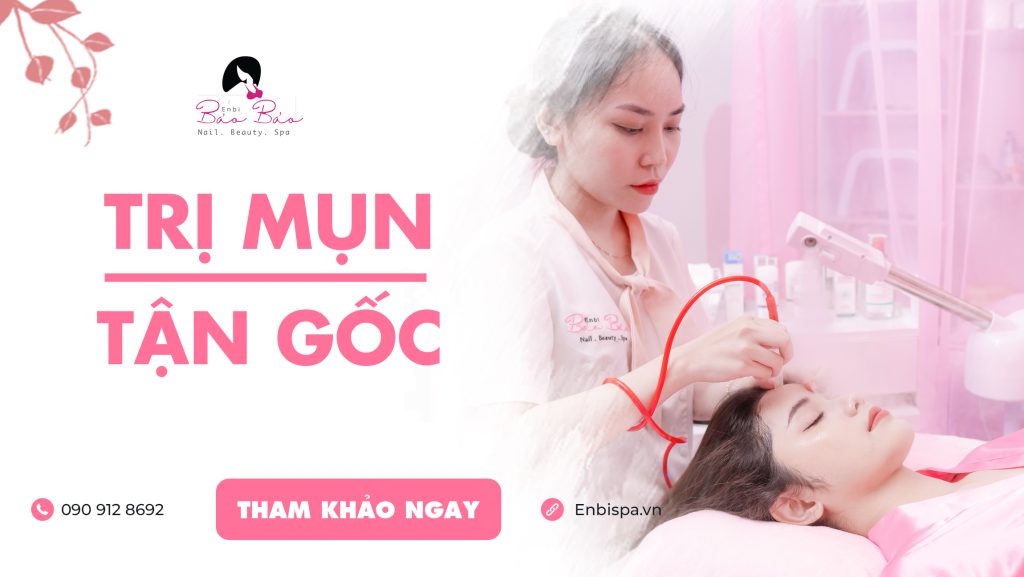
Do you want to permanently treat your persistent acne but are facing these obstacles:
- Treatment at multiple skin care spas hasn’t worked?
- Acne clears up but then recurs?
- Severe scarring from acne damage?
Don’t worry! We would like to introduce you to Enbi Bao Bao Nail & Spa – one of the leading reputable beauty salons in Ho Chi Minh City, providing skincare services trusted by many. At Enbi, a top-tier acne treatment spa, those stubborn pimples that are ruining your beauty will surely be gone!

- Enbi Bao Bao Nail & Spa offers a variety of effective acne treatment packages to help reduce inflammation, cleanse pores, reduce congestion, and prevent acne recurrence.
- Treatments are performed using high-quality products and advanced, internationally standardized technology, ensuring safety and effectiveness for your skin.
- You will receive consultation and a skin assessment to choose the most suitable acne treatment package.
- Our team of highly skilled and professional staff understands customer needs, so you can trust and feel confident in choosing Enbi spa for your acne treatment.
- The spacious and airy spa space, with its feminine pink color scheme, creates a comfortable and welcoming atmosphere.
Contact information for Enbi Bao Bao Nail & Spa – A reputable skincare and acne treatment center:
Conclusion
Above is the article “Revealing Safe and Effective Ways to Treat Subcutaneous Acne” that we wanted to share with you. We hope this article provides you with useful information on how to eliminate acne, prevent recurrence, and do so effectively. Don’t hesitate to contact Enbi Bao Bao Nail & Spa if you need a safe and effective acne treatment solution. Our experienced and caring team is always ready to assist you!
See more:

Related Articles
Is it normal to experience body aches after a massage? Causes and effective ways to relieve pain
After a massage, many people hope their bodies will feel lighter, more relaxed, and more comfortable. However, there are also many cases where people experience mild pain or soreness lasting 1-2 days, causing many to ...
Jun
Should you shower after a massage? Experts answer from A-Z to avoid adverse effects
After a massage, many people want to shower immediately because they feel sweaty, have essential oils on their skin, or simply want to feel cleaner. However, showering right after a massage isn’t necessarily the best ...
May
What is the difference between foot massage and foot soak?
After a long day of walking, standing, or sitting continuously, feet are often the most tired but often neglected part of the body. Many people choose to soak their feet in warm water at home ...
May
What should you keep in mind when going for your first massage to have a truly relaxing experience?
Many people feel both curious and a little hesitant before their first massage, unsure of which type to choose, what to prepare, whether to change clothes, or whether the massage will truly be as relaxing ...
May
Does massage help reduce stress? A scientific perspective and little-known facts
In today’s fast-paced and stressful modern life, stress has become a daily occurrence for many. Work, studies, finances, and life’s worries leave the body and mind constantly tense and fatigued. Therefore, many people are turning ...
May
Should you get massages regularly? Benefits, appropriate frequency, and things to keep in mind
After stressful workdays, muscle aches, or prolonged insomnia, massage has become a familiar relaxation option for many. However, many people still wonder whether they should get massages regularly and how often they should get one ...
May